Dear Sponsor,
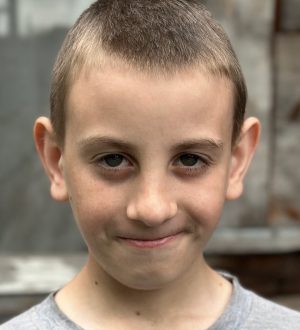
My name is Nikita, and I am 10 years old. I live with my mom and dad, and I have an older sister named Ivanka who comes to visit me and often brings me toys or clothes.
I have a good friend named Vlad who is in my class. We enjoy talking and playing together. This year I am in the 6th grade. My favorite subject is Physical Education because I love running and being active. I also enjoy building things with LEGO.
When I grow up, I would like to be a builder. My dream is to build a big, beautiful house with an indoor bathroom, hot water, and a nice kitchen.
Thank you very much for helping my family and me. Your kindness means a lot to us. I would love to receive a letter from you and learn about you and your family.
With love,
Nikita
Caseworker Comments:
Meet Nikita, a gentle and quiet boy who rarely speaks to strangers and finds it difficult to connect with his classmates. While school can be overwhelming for him, he opens up more at home, where he feels safe and understood. Learning is a challenge, and he receives support through an inclusive education program with the help of a personal assistant who guides him through lessons and helps him stay engaged. Though no formal medical diagnosis has been made, Nikita appears thin and frail for his age and shows signs of developmental delay. Social services once urged the family to seek evaluation at an Inclusive Resource Center, but his parents remain unaware of any specific recommendations or concerns that may have been identified. Despite their belief that Nikita is healthy, the assignment of an assistant suggests otherwise. He is the youngest of six children, growing up in a home marked by hardship. His father struggles with addiction, and his mother also battles alcohol abuse—circumstances that have likely impacted Nikita’s physical and cognitive development. Yet, in the midst of these challenges, Nikita continues to show quiet resilience. His story is one of vulnerability, but also of hope, a child in need of understanding, care, and the chance to thrive.
The family is living in extremely difficult and heartbreaking conditions, urgently in need of both immediate and long-term support, ranging from basic necessities like food, clothing, and hygiene supplies to sustained medical, psychological, and social care. Their daily survival often depends on homemade bread baked in a small oven, which is sometimes their only food. The youngest children, Nikita and his older brother Nazar, still live at home in an environment that is unstable, unsafe, and lacking even the most basic parental care.
Their father, who previously struggled with alcohol addiction, occasionally earned a small income doing odd jobs like chopping firewood or helping as a laborer, sometimes being paid in alcohol. Recently conscripted into the military, he suffered an alcohol-induced psychotic episode during training and was hospitalized in a psychiatric clinic in a severely state. Despite multiple diagnoses and ongoing alcohol dependence, the Military Medical Commission declared him fit for service, and his future remains uncertain. The mother, also in poor health and showing signs of liver disease such as jaundice and weakness, refuses medical treatment and relies on folk remedies. She is unemployed and unable to provide the physical or emotional care her children need. The lack of hygiene, nutrition, medical oversight, and educational support places the children’s development at serious risk.
Nazar, though 18, also shows signs of developmental delay—he cannot manage daily tasks, navigate social situations, or travel independently, and is often ridiculed by peers. The family receives no government support and survives largely thanks to the generosity of their church community and HART, who have provided food, clothing, and essential household items. The older daughters, Ivanka and Snizhana, who now live independently, try to help by buying clothes or shoes for Nikita, but their limited resources prevent consistent support. The other adult siblings are not involved, having started families of their own.
The family’s home is in extremely deplorable condition, old, overcrowded, and lacking basic infrastructure. As the older children reached adulthood, they left one by one due to the unbearable living conditions. The house is heated by a wood-burning stove, and thanks to a generous sponsor through HART, a pump was installed to draw cold water from a well in the yard. A washing machine was also purchased with donated funds. However, there is no sewage system—used water must be carried outside in buckets, and the toilet is located outdoors. A small veranda was added to the house, where an electric burner is used for cooking and baking bread. The refrigerator and washing machine are also kept there due to lack of space inside. The windows are old and drafty, and the veranda roof leaks. The home lacks the hands and energy for even basic repairs or cleaning. Occasionally, one of the daughters visits to help tidy up, but the mother resists throwing anything away or organizing the space. Despite years of involvement from social workers, the parents have shown no willingness to change, ignoring professional advice and declining any help that requires effort or responsibility.
Yet, amid all this hardship, there are glimmers of hope in the quiet resilience of Nikita, the protective care of his older sisters, and the continued support of kind-hearted people from the church and HART. These children deserve more than survival, they deserve safety, dignity, and the chance to grow up in a nurturing environment where they can thrive.