SPORTS MINISTRIES
Floorball vs. Bombs
Three Goals. Two Minutes. One Unforgettable Lesson in Ukrainian Resilience.
After spending much of this summer in Ukraine, two areas of ministry have increasingly captured my attention—trauma healing and mental health programs, and sports ministries.
Both address needs that are becoming more urgent as the war continues, particularly among children and young people who have endured years of fear, uncertainty, displacement, and loss. I believe these ministries can play an increasingly important role in HART’s work in Ukraine.
A week ago, Ulyana and I had an experience in the city of Lutsk that brought these two areas of ministry together in an unexpected—and unforgettable—way.
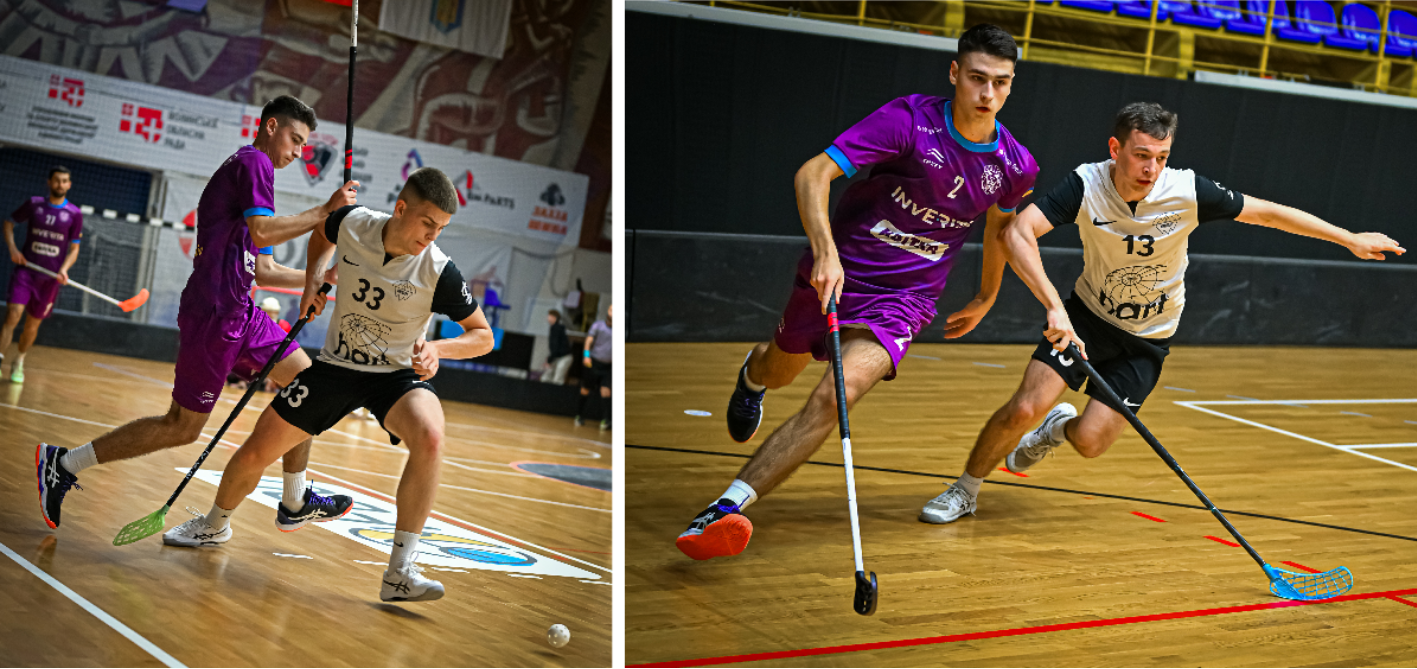
We were in this northwestern Ukrainian city to watch a top-tier floorball game (age 15+). Floorball is similar to floor hockey, and it is growing in popularity across Ukraine.
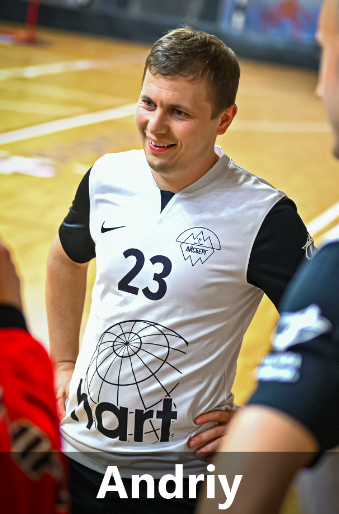
Our host was Andriy, President of the Ukrainian Floorball Association and one of HART’s sports ministry partners. At 35, Andriy is not only helping lead the sport nationally, but he also continues to play, coach, and mentor young athletes on his own team.
And what a game we witnessed!
It was fast-paced, exciting, and competitive, with the momentum shifting back and forth throughout the evening.
However, with the clock winding down to the final 2 minutes, HART’s team trailed 6–3. With 120 seconds remaining, the game seemed all but over.
But then something unusual happened.
The referee suddenly stopped play and approached Andriy for a brief discussion. We, like the rest of the fans, had no idea what they were discussing, but after a short conversation, the referee restarted the game.
And what happened next was pretty exciting.
Andriy’s team scored once. Then again. And then, unbelievably, a third time!
Three goals in the final two minutes!
The game ended in a thrilling 6–6 tie.
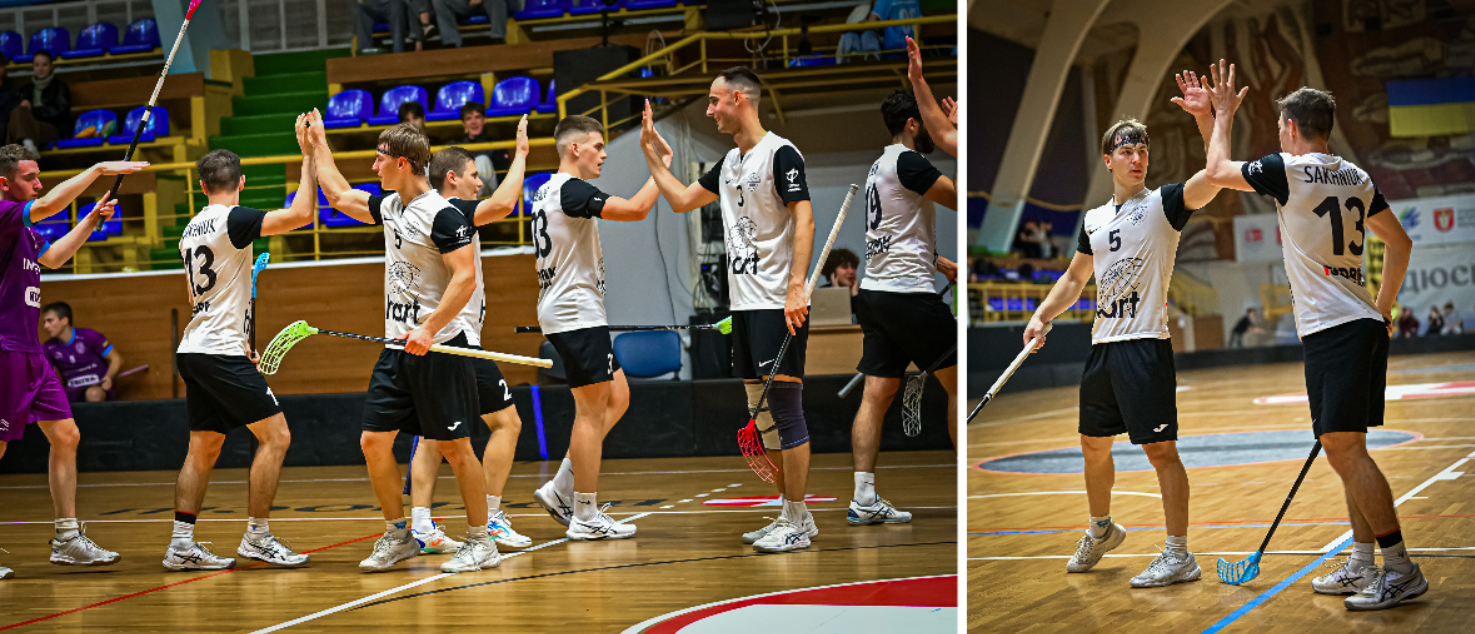
The crowd had just witnessed an incredible comeback. Players were celebrating, fans were buzzing, and everyone was still caught up in the excitement of those final moments.
But within a minute or so, the lights in the sports arena suddenly went out.
The atmosphere changed immediately.
People began making their way toward the exits, and it quickly became apparent why.
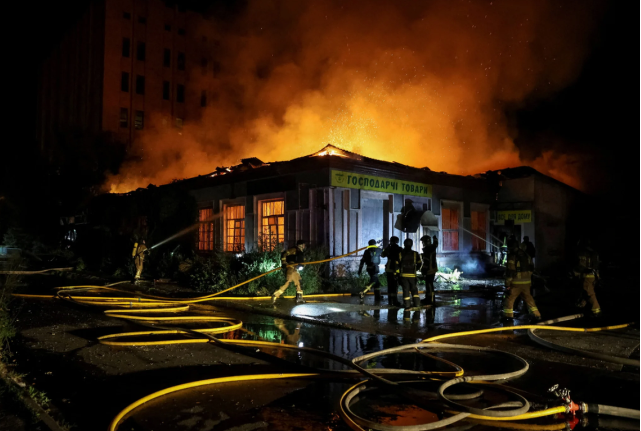
Air raid sirens were sounding across the city.
Then we heard a loud explosion nearby. A Russian drone/missile attack.
One moment, we were cheering an extraordinary comeback in a floor hockey game. The next, we were being reminded that we were in a country fighting for its very survival.
At the height of this tense moment, my phone rang. One of our sons called from Canada, just to say hi and check on his folks.
I answered and told him matter-of-factly, “We’re under drone attack right now. I’ll call you back in a while.”
And then I hung up. Only afterward did it occur to me that I should have added one important detail: “But don’t worry. We’re okay!”
Apparently, that little omission made for an anxious wait back in Canada until we returned the call!
An Extraordinary Kind of Normal
As Ulyana and I were experiencing this surreal moment, what struck us most was the reaction of the people around us.
There was no visible panic. No screaming. No frantic rush for the exits. Just a remarkable sense of calm amid the very real danger.
People on the streets kept moving; everyone seemed to understand what was happening and what they needed to do, and where they had to go.
For Ulyana and me, sirens and explosions after watching a sporting event was anything but normal.
But for Ukrainians, after nearly five years of full-scale war, air raid sirens and the threat of Russian drones have become a tragic part of everyday life.
We got into our vehicle and began the two-hour drive back toward Lviv, reflecting on the strange contrast between the excitement we had just experienced and the reality of war surrounding us.
The Mystery of the Referee’s Decision
The next day, I spoke with Andriy and finally learned why the referee had stopped the game with two minutes remaining.
The referee had been informed about the air raid sirens throughout the city of Lutsk.
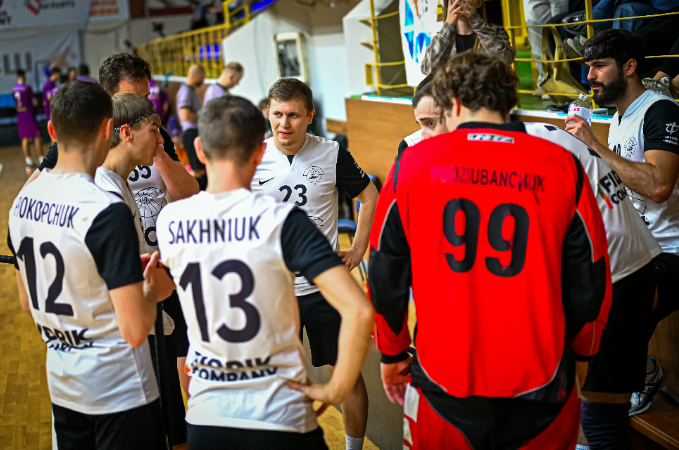
He approached Andriy, President of the Floorball Association, and asked whether to stop the game, since time was about to expire anyway.
Andriy thought for a moment, then looked over at his teammates and saw the answer in their eyes. That’s all it took. Two minutes left and down by three goals, yet none of them were ready to throw in the towel.
Andriy told the referee to restart the game. Then. Three goals. Two minutes. A 6–6 tie. What a finish!
Of course, the air raid was real, and the danger was real. Russian drones are attacking Ukrainian cities and innocent lives daily. Safety must always come first.
But there was something about that moment that stayed with me.
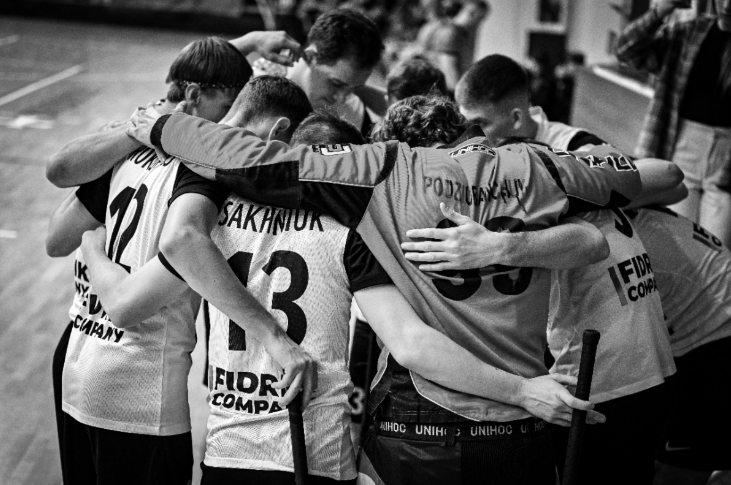
These young men had come together to play a game they loved. For a couple of hours, they could compete, focus on a tangible goal, laugh, encourage one another, and experience something that felt like normal life.
And even with the threat of war intruding on their evening, their determination to keep going was unmistakable.
More Than Just a Game
This experience reinforced an idea that has been percolating in my mind throughout the summer here in Ukraine.
Sports ministries have tremendous potential in Ukraine—not simply to develop athletes, but to help restore lives.
For children and teenagers growing up surrounded by air raid sirens, uncertainty, displacement, grief, and fear, sports can provide something desperately needed.
A sense of belonging. Friendship and encouragement. Healthy physical activity. Positive role models and mentors.
A few precious hours when they can simply enjoy being children.
When local churches and Christian leaders organize these opportunities, they can also open doors to meaningful relationships, spiritual encouragement, and the hope of the Gospel.
Sports cannot erase the trauma of war. But as part of a broader approach to emotional and spiritual healing, they can become a powerful tool for helping children and young people rebuild confidence, trust, resilience, and hope.
That is why I am increasingly convinced of the value of expanding HART’s partnerships with established Ukrainian sports ministries, while also encouraging and equipping local churches and ministry leaders who share this vision with the resources they need to develop their own sports ministries.
Sports can give churches another opportunity to extend Christ’s love beyond their walls and into their communities.
A Final Reflection
I’ve thought a lot about that evening in Lutsk. How two very different realities collided that evening: the joy of a simple sporting event and the cruelty of a war that continues to intrude into every corner of Ukrainian life.
But in those final two minutes, I witnessed something that seemed to capture the very spirit of the Ukrainian people—a refusal to surrender, even when the odds seem overwhelming.
And yet, day after day, they continue to get up, care for their families, serve their communities, worship God, and press forward.
The war has stolen so much from Ukraine’s children and families. We must not allow it to steal their hope for the future.
I went to Lutsk expecting to watch a floorball game. I left with a deeper appreciation for the resilience of the Ukrainian people—and an even stronger conviction that sports ministries can help Ukraine’s children rediscover joy, rebuild confidence, and find hope in the midst of war.
Together, changing the world—one heart at a time.



How to Pray for Ukraine’s Pastors
- For renewed strength. Pray for pastors who are physically and emotionally exhausted after years of war—that God would restore their strength and give them genuine opportunities to rest.
- For their wives and families. Pastors’ families carry much of the same burden. Pray for strong marriages, protected family relationships, and encouragement for wives who often quietly support both their husbands and hurting church members.
- For wisdom. Every day brings difficult decisions: whom to help, where limited resources should go, whether it is safe to travel, and how best to respond to another crisis. Pray for God’s wisdom and discernment.
- For the right words. Pray especially for pastors standing before congregations filled with people who have lost husbands, sons, fathers, homes, and dreams. Ask God to help them speak truthfully about suffering while faithfully pointing people toward the hope we have in Christ.
- For their own hearts. Pastors grieve too. They bury friends and church members, worry about loved ones serving at the front, and experience the same air-raid sirens and uncertainty as everyone else. Pray that God would minister to them as they minister to others.
- For protection. Many pastors, chaplains, and volunteers travel into dangerous communities to deliver food, evacuate civilians, visit soldiers, and share the Gospel. Pray for God’s protection over them and their teams.
- For freedom from discouragement. After years of war, it would be easy to wonder whether their work is making a difference. Pray that God would continually remind them that their faithfulness matters and that their labour in the Lord is not in vain.
- For spiritual strength. Pray that their own relationship with Christ remains vibrant—that prayer, Scripture, and worship would become sources of renewal rather than simply responsibilities of ministry.
- For unity among churches. Pray that denominational differences become secondary as Christians work together to serve their communities and demonstrate the love of Christ.
- For opportunities to share the Gospel. In the midst of tremendous suffering, people are asking profound questions about life, death, God, and eternity. Pray that pastors will recognize these moments and share Christ with wisdom, compassion, and courage.